Conteúdos e materiais
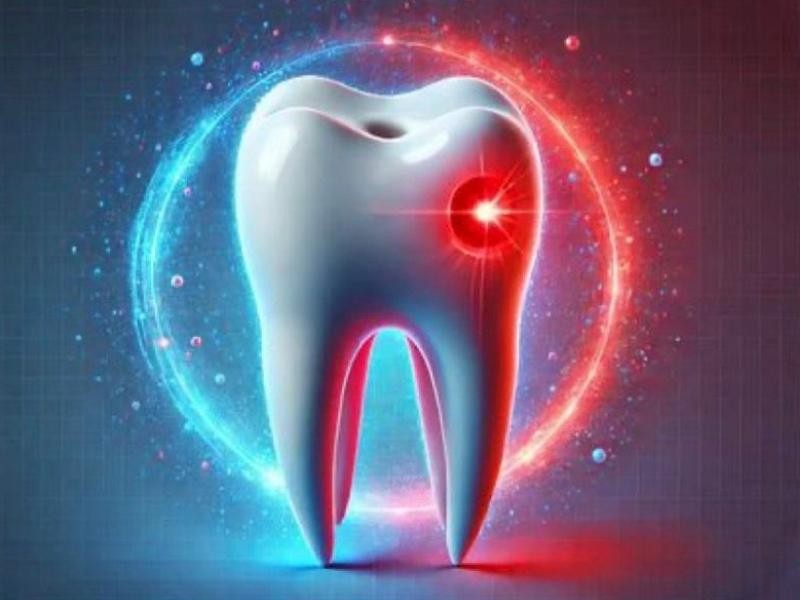
A toothache does not follow a schedule. It may begin in the middle of the night, over the weekend, or on the most important day of your agenda. In these situations, 24-hour emergency dental care becomes essential.
But when should you seek this type of service? And what should you realistically expect from emergency treatment?
In this article, you will understand:
• What is considered a dental emergency
• Which signs indicate that you should seek immediate care
• How 24-hour emergency services operate
• Which procedures can be performed immediately
• The importance of choosing a properly equipped clinic
What Is Considered a Dental Emergency?
A dental emergency includes any situation involving:
• Severe and persistent pain
• Infection accompanied by swelling
• Bleeding that does not stop
• Dental trauma or fracture
• Loss of a temporary prosthesis in a critical case
Unlike elective procedures (such as teeth whitening or routine maintenance), emergencies involve health risks, debilitating pain, or the potential for rapid clinical deterioration.
When Should You Seek 24-Hour Care?
Not every toothache requires an immediate visit to the clinic; however, certain signs clearly indicate urgency:
1. Severe, Throbbing Tooth Pain
This may indicate pulp inflammation (pulpitis) or an active infection.
2. Facial Swelling
Swelling may signify a bacterial infection requiring prompt intervention to prevent systemic complications.
3. Fractured Tooth with Nerve Exposure
In addition to intense pain, there is a significant risk of contamination.
4. Avulsed Tooth (Completely Dislodged)
The sooner the tooth is replanted, the greater the likelihood of success.
5. Persistent Bleeding After Extraction
This may indicate a postoperative complication.
If there is severe pain, infection, or trauma, do not wait until the following day.
What to Expect from Emergency Dental Care
Many individuals are uncertain about how emergency dental services function. The typical process includes:
1. Immediate Clinical Evaluation
The dentist performs a physical examination and, if necessary, radiographic imaging to accurately identify the cause of the problem.
2. Pain Management
The initial priority is to relieve pain and stabilize the condition.
3. Emergency Treatment
This may include:
• Abscess drainage
• Emergency root canal access to relieve pressure
• Suturing of soft tissue injuries
• Temporary prosthesis repositioning
• Dental stabilization in cases of trauma
4. Definitive Treatment Planning
After the emergency is stabilized, comprehensive treatment is scheduled if necessary.
Does 24-Hour Emergency Care Definitively Resolve the Problem?
It depends on the case.
In some situations, the issue is completely resolved during the emergency visit. In others, treatment focuses on:
• Controlling pain
• Eliminating infection
• Stabilizing trauma
Definitive treatment is then completed in subsequent appointments.
Why You Should Not Ignore a Dental Emergency
Ignoring symptoms may result in:
• Spread of infection
• Systemic complications
• Permanent tooth loss
• Increased treatment costs
Untreated dental infections can spread to other areas of the body, becoming a significantly more serious health concern.
How to Choose a 24-Hour Emergency Clinic
Not every clinic is adequately prepared to handle true emergencies. Look for a facility that offers:
• Comprehensive diagnostic infrastructure (including X-ray imaging)
• Qualified professionals
• Patient-centered care
• Strict biosafety protocols
The clinician’s responsiveness and experience can significantly influence the outcome.
Is 24-Hour Emergency Care More Expensive?
Fees may vary depending on:
• Time of service
• Case complexity
• Required procedures
However, it is important to understand that emergency care is not merely a service — it represents safety, immediate relief, and prevention of more serious complications.
Conclusion
Twenty-four-hour emergency dental care exists to protect your health, relieve pain, and prevent minor issues from becoming major complications.
If you experience severe pain, swelling, or trauma, do not hesitate. Seeking prompt care can make the difference between saving or losing a tooth — and in some cases, protecting your overall health.

Especialista em protocolo dentário, Implantes, Facetas, Clareamento Dental, Aparelhos e Tratamento de Canal. O Dr. Douglas Rezende oferece reabilitação oral com excelência, conforto, tecnologia e estética para transformar sorrisos e resgatar a autoestima. Centro Goiano de Odontologia CGO - Goiânia e Senador Canedo.
Rua 03 número 276 qd h1 lt 30 setor leste universitário
Cep - 74615-070 - Goiânia - GO
Segunda a Sexta
07h às 20h
24-Hour Emergency Dental Care: When to Seek It and What to Expect
© Copyright 2026. DIVIA Marketing Digital. Todos os Direitos Reservados